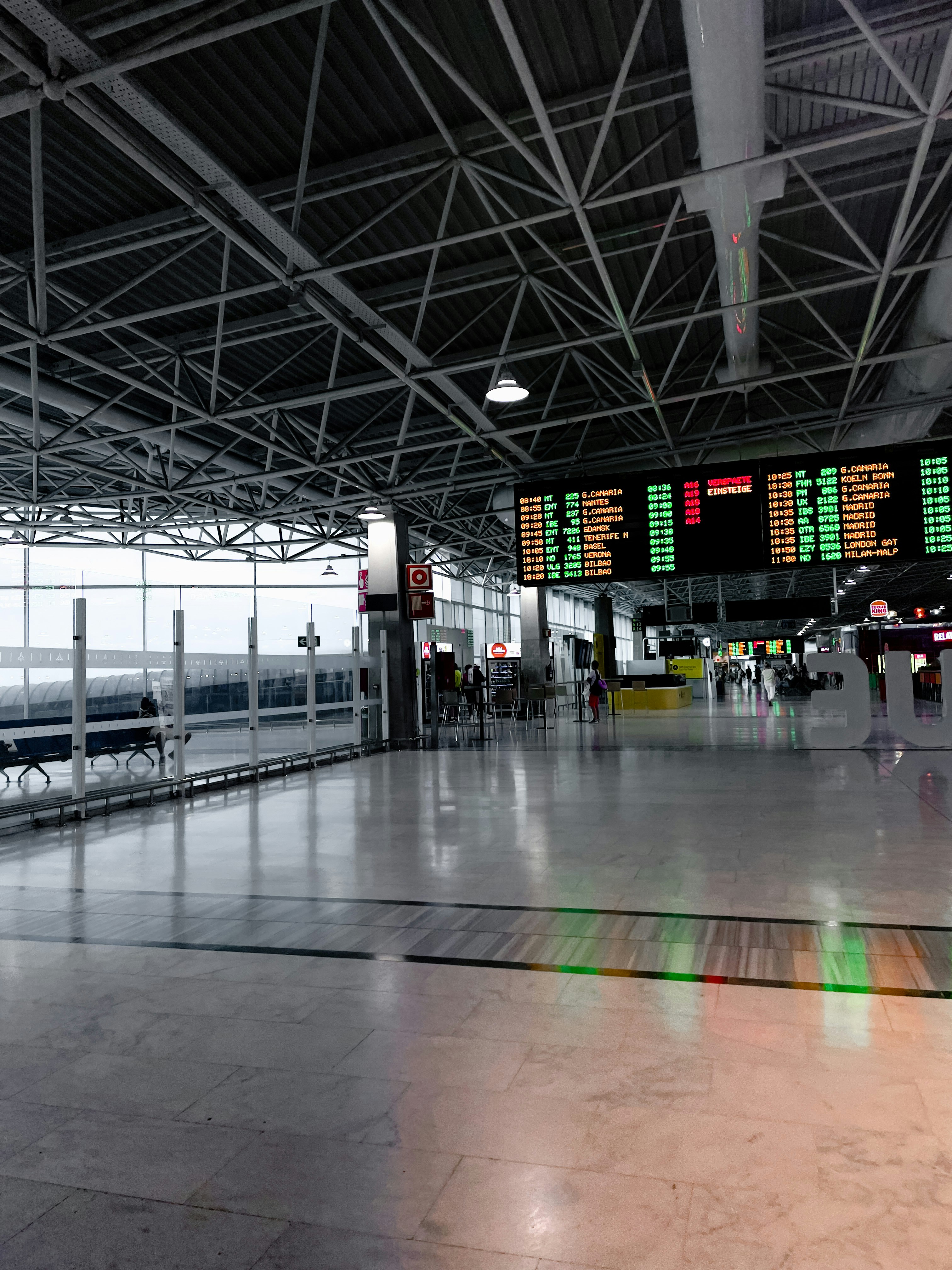
Monaco does not have a conventional airport for commercial fixed-wing aircraft. The principality covers a very small area and is bordered by steep terrain and the Mediterranean Sea, leaving no room for a standard runway or the infrastructure required to handle airline flights. As a result, visitors cannot fly directly into Monaco on a scheduled commercial airplane, and flight searches for Monaco may instead show nearby airports in France or Italy.
For most international travelers, the main gateway is Nice Côte d’Azur Airport, located in France approximately 30 kilometres west of Monaco. It offers a broad range of domestic and international connections, making it the most practical arrival point for the principality. From Nice Airport, travelers can continue to Monaco by road, train, or helicopter. The best option depends on budget, luggage, schedule, and preference: trains provide a public-transport connection, road transfers offer door-to-door convenience, and helicopter services can shorten the journey.
Monaco does have an aviation facility: Monaco Heliport, in the Fontvieille district. It serves helicopter traffic, including transfers linking the principality with Nice Côte d’Azur Airport, as well as certain private and charter services. The heliport is therefore useful for travelers seeking a direct air connection to Monaco, but it is not a full-service airport. It has no runway for conventional passenger aircraft and does not operate like a terminal with scheduled airline departures to destinations around the world.
When planning a trip, it is helpful to distinguish between flying to the region and arriving in Monaco itself. A standard airline itinerary will generally end at Nice, after which a separate ground or helicopter transfer is needed. Helicopter seats and ground transport should be arranged with realistic allowance for check-in, baggage, traffic, and potential weather delays. This distinction also helps when comparing fares: an airline ticket to Nice usually does not include the onward journey across the border to Monaco.
Nice Côte d’Azur Airport is the nearest major airport serving Monaco and the principal air gateway for visitors arriving in the region. It lies approximately 30 kilometers from Monaco by road, although the actual journey time depends on traffic, the chosen route, and the time of day. The drive may take longer during busy periods, particularly in summer or around major events. Travelers should allow extra time for the transfer, especially when connecting with a train, cruise departure, or scheduled appointment.
The airport offers a wide range of international and domestic connections. Flights link Nice with destinations across Europe and, depending on the season and airline schedules, with cities farther afield. Services may be more frequent during peak travel months, while some routes operate only seasonally. Nice Côte d’Azur Airport has two passenger terminals, and the terminal used for a particular flight depends on the airline and route. Checking the latest departure or arrival information before setting out can help passengers plan where to go and how much time to allow.
Facilities at the airport include shops, cafés and restaurants, car rental desks, and passenger services. Ground transport options connect the terminals with Nice and the wider area, with onward travel to Monaco possible by road or through connections to rail services. The best option depends on luggage, budget, timing, and whether a direct transfer is preferred. Passengers can also check with their airline for guidance on terminal arrangements, baggage rules, and recommended arrival times. Since flight schedules and airline routes change over time and may vary by season, travelers should confirm current details directly with Nice Côte d’Azur Airport or their airline before booking or departure. This is particularly useful when planning a trip around a specific flight, as timetables, operating days, and available services can be updated. Reviewing current ground transport information before arrival can also make the onward journey to Monaco smoother.
Several options connect Nice Côte d’Azur Airport with Monaco, and the best choice depends on more than the distance between them. Express or regional bus services may provide a direct or relatively simple journey when they are operating; check current routes, schedules, and stops before relying on a bus. A direct road connection can be convenient, especially for travelers with luggage, but traffic may add substantial time during busy periods. Compare the full journey from your arrival terminal to your accommodation, not just the scheduled travel time.
Rail can be a practical alternative, although Monaco has no station at the airport itself. Travelers generally need to reach Nice-Ville station first, using a local bus, tram, taxi, or another connection, and then take a train toward Monaco. Include the transfer, waiting time, and walk or onward ride from Monaco’s station in your estimate. Trains can avoid road congestion for much of the journey, but carrying bags through transfers may make this option less convenient. Confirm service times, particularly for early or late arrivals.
Taxis and pre-booked private transfers offer a direct, door-to-door ride, with the latter providing a planned pickup and potentially more room for groups or luggage. Rental cars allow flexibility for a wider itinerary, but consider parking, road conditions, and the possibility of traffic before choosing to drive. Helicopter transfers are the fastest option in the air and may suit travelers prioritizing speed or a distinctive arrival; account for ground transfers to and from the heliports, baggage limits, availability, and price. For a fair comparison, assess total door-to-door time, overall cost, luggage requirements, arrival time, and convenience. A route that looks shortest on a map may not be the simplest or quickest in practice.
Monaco Heliport, located in the Fontvieille district, is the principality’s main facility for helicopter arrivals and departures. It handles scheduled and charter connections, with the route to and from Nice Côte d’Azur Airport among the most useful for air travellers. Since Monaco has no conventional airport, the heliport provides a direct link between the city-state and the wider regional air network. Its location is practical for visitors staying in Monaco, although the final journey to a hotel, meeting, or port still requires a separate ground transfer. Taxis and other local transport can usually complete that onward trip.
The main advantage of travelling by helicopter is the short flight time between Nice and Monaco, which can reduce the overall journey compared with travelling by road, particularly when traffic is heavy. Passengers also arrive close to Monaco’s central districts rather than at a distant airport, and the route can offer striking views of the coastline. These benefits come at a higher fare than many ground transport options, and ticket prices vary according to the operator, service type, and booking conditions. Baggage allowances are generally more restrictive than on commercial airline flights, so travellers should confirm permitted size and weight before packing.
Helicopter services are subject to operational conditions, and poor weather or other disruptions may lead to delays, schedule changes, or cancellations. Booking ahead is advisable, especially during busy travel periods, and passengers should allow time for the operator’s check-in process. Before departure, verify the current timetable, required arrival time, identification rules, and baggage limits directly with the company providing the flight. Also confirm where to meet the helicopter and how transfers are arranged at both ends of the journey; ground transport may not be included in the ticket. Routes, frequencies, fares, and operating arrangements can change, so rely on current operator information rather than older schedules when planning your trip.
A helicopter transfer to Monaco is primarily a time-saving option. Flights from Nice Côte d’Azur Airport typically take around seven minutes, compared with a road journey that may take 30 minutes or longer, depending on traffic and the exact destination. Rail travel from Nice is also relatively quick, though travelers must account for reaching the station, waiting for a train, and continuing from Monaco’s station to their accommodation. For a tight schedule or a direct connection, the helicopter can simplify the journey.
That convenience generally comes at a higher price. Helicopter seats are commonly sold per passenger, and fares may vary with the operator, service type, and booking conditions. Trains are usually the more economical choice for individuals and couples, while taxis, private cars, and shared road transfers can offer useful flexibility. For families or larger groups, the total cost of a vehicle may compare more favorably with buying several helicopter seats.
Road transfers are exposed to congestion, especially during busy periods, so journey times can be less predictable. Trains avoid road traffic and follow a regular route, although schedules, station access, and possible service disruptions affect the overall trip. Helicopters bypass highway congestion but depend on operating conditions: strong winds, low visibility, or other poor weather can cause delays, changes, or cancellations. Travelers with fixed onward plans should check the operator’s terms and allow a practical time buffer.
Luggage and access needs also matter. Helicopters have strict weight and baggage limits, and bulky suitcases may not be accepted or may require advance approval. A car or taxi is usually better suited to heavy bags, mobility equipment, or several passengers traveling together; trains can accommodate luggage but require passengers to manage it through stations and onto the carriage. Helicopter travel also produces emissions per passenger, so travelers weighing environmental impact may prefer rail, particularly when services align with their itinerary. The suitable choice depends on priorities: speed and convenience may justify flying, while cost, capacity, accessibility, weather resilience, or lower-impact travel may favor ground transport.
When arriving at Nice Côte d’Azur Airport for a trip to Monaco, plan the journey as a sequence rather than assuming the onward transfer will begin immediately after landing. Immigration queues can vary with arrival time, passenger volumes, and travel documents, while checked baggage may take additional time to reach the carousel. Allow a comfortable margin for both steps before arranging a car pickup, joining a scheduled service, or travelling to a helicopter terminal. If you have limited mobility, children, or several bags, include extra time for moving through the airport and locating your transport.
Compare onward options before departure, including road transfers, rail connections, and helicopter services, and confirm where each one departs and arrives. Road travel can be affected by congestion, especially during busy periods or events, so an advertised journey time should not be treated as guaranteed. If a connection depends on a specific departure, leave enough time to collect luggage, clear the terminal, and reach the correct meeting point. Check live airport, road, rail, and operator updates on the day, and keep contact details for your driver or service accessible in case plans change.
For departures from Monaco, work backwards from the airline’s check-in and baggage-drop deadlines, then add time for the transfer to Nice Airport, airport procedures, and possible delays. Build a buffer for traffic and for connections between different transport services; do not plan to arrive at the terminal just before check-in closes. Security queues and document checks can also take longer than expected, particularly at peak travel times. If your trip uses separate flight tickets or a transfer booked independently, a delay on an earlier leg may not be covered by the airline or transfer provider, and rebooking costs may fall to you. Review the terms of each booking, monitor live travel information before setting out, and keep a practical backup plan where possible.
Travelers with reduced mobility, families traveling with children, and passengers carrying bulky or unusually heavy luggage should arrange their journey to Monaco before departure. A route that appears straightforward may involve stairs, long walking distances, vehicle changes, or limited space for bags. Airport facilities, transfer companies, and helicopter operators may each provide different levels of support, so do not assume that assistance offered at one stage will continue throughout the trip. Contact the relevant providers directly and explain the needs of everyone in your party.
Ask whether step-free access is available along the route, including between the terminal, pickup point, vehicle, and heliport. Confirm how to request mobility assistance, whether staff can help with boarding, and whether a wheelchair or other equipment can be accommodated safely. For road transfers, check that the vehicle has suitable access and enough room for passengers, mobility aids, strollers, and luggage. Families should verify child-seat availability, the types of seats offered, and any requirements for bringing or installing their own. Requirements and services can vary by operator, even at the same airport.
Baggage allowances deserve particular attention when comparing road and helicopter transfers. Ask about the number, size, and weight of bags permitted, and disclose oversized items such as sports equipment or folding mobility devices before booking. Helicopter passengers should also confirm check-in arrangements and how to reach the heliport, including any walking distance or transfer between airport areas. Conditions at airport facilities may differ from an individual operator’s policies, and space or assistance can be limited. Request written confirmation that specifies the assistance, vehicle features, child seats, or baggage arrangements you need. Review it before travel and contact the provider promptly if any details change. Advance confirmation helps prevent delays and makes it easier to choose a transfer that suits the group, rather than discovering a limitation after arrival in Nice or at the heliport.
Before leaving for Monaco, keep your flight details and onward-transfer confirmations easy to access. Save booking emails or tickets on your phone and consider keeping offline copies in case mobile coverage is limited. Confirm the airport, terminal, meeting location, and contact details for your driver or helicopter operator. If plans change, having reservation numbers and provider phone numbers available can make it easier to arrange an alternative quickly.
Check current service timetables shortly before departure, rather than relying solely on information viewed when you booked. Helicopter schedules, airport transfers, and public transport connections can change because of weather, operational requirements, or seasonal demand. Verify baggage allowances, check-in deadlines, cancellation terms, and any identification requirements directly with the relevant provider. Prices, timetables, and travel policies may be updated, so reconfirm these details close to your travel date.
Allow additional time during major events, holidays, and other busy travel periods. Monaco’s roads can become congested, while event-related road closures or access restrictions may affect routes and pickup arrangements. A journey that is usually straightforward may take longer when traffic is heavy or roads are diverted. Ask your transfer provider about expected travel times and whether a different route or departure time is advisable. Build a buffer into connections, especially if you have a fixed appointment or onward flight.
Before arriving, confirm the exact pickup point and how you will identify your driver or meet your helicopter operator. Airport layouts and meeting procedures can vary, and a precise location helps avoid unnecessary delays. If a helicopter is delayed or canceled, have a backup ground-transport plan, such as a prearranged car, taxi, or public transport option. Check the availability and likely cost of alternatives in advance, and keep your provider informed if your arrival time changes. These simple checks can make the transfer to Monaco more predictable, even when conditions shift.
Does Monaco have a commercial airport? No. Monaco does not have an airport for scheduled commercial passenger flights. Visitors generally arrive through Nice Côte d’Azur Airport in France, then continue to Monaco by road, rail, or helicopter. Monaco does have a heliport, which serves helicopter transfers and other approved operations.
Which airport is closest to Monaco? Nice Côte d’Azur Airport is the nearest major airport and the principal gateway for international visitors. Although it is outside Monaco, it offers a broad range of airline connections and onward transport options. The best arrival airport may depend on your route, available flights, and final destination.
How far is Nice Airport from Monaco? The airport is approximately 30 kilometres (about 19 miles) from central Monaco by road. The journey commonly takes around 30 to 45 minutes in light traffic, but congestion, roadworks, weather, and the precise pickup or drop-off point can make it longer. Rail journeys involve travelling from the airport to a nearby station and continuing to Monaco-Monte-Carlo station.
Is there a direct helicopter service to Monaco? Yes. Direct helicopter transfers between Nice Airport and Monaco are commonly offered, connecting the airport with Monaco Heliport. Services may operate on a scheduled or private basis, subject to the provider’s timetable, passenger demand, weather, and operational conditions. Confirm luggage limits, check-in requirements, and the onward arrangements from the heliport before booking.
Which transfer is usually cheapest or fastest? Public transport is generally the least expensive choice, though it may require connections and additional time. A helicopter is often the fastest option between Nice Airport and Monaco, particularly when road traffic is heavy, but it usually costs considerably more. A taxi, private car, or rideshare can provide a direct journey, with fares and timing dependent on conditions.
Prices, journey times, routes, schedules, and service availability can change, sometimes at short notice. Check current information from the airport, transport operators, helicopter providers, and airlines before making final booking decisions. Allow extra time for transfers, especially when connecting with a flight, and verify any seasonal changes or service disruptions close to your travel date.
